Best Things To Do in Beijing
Updated 2026-03-30
Beijing layers imperial grandeur, political symbolism, and everyday neighborhood energy into one enormous capital. It rewards both checklist sightseeing and deeper cultural wandering.
Welcome to Beijing
Beijing has served as the political heart of China for centuries, and its scale reflects that ambition. Monumental palace compounds, temple complexes, hutong lanes, and modern districts sit side by side. For most first-time visitors, the city is defined by two major anchors: the imperial center around the Forbidden City and the mountain landscapes leading to the Great Wall. TicketPass now supports Beijing as a focused destination rather than a placeholder city.
Where to Stay: Best Neighbourhoods
Dongcheng
Historic Beijing at its densest: the Forbidden City, temple complexes, hutongs, and many of the city's classic first-time visitor sights.
Chaoyang
A modern district of embassies, business centers, nightlife, and contemporary dining, useful for travelers mixing classic sights with newer Beijing.
Shichahai & Hutongs
Lakeside walks, courtyard neighborhoods, and slower cultural exploration beyond the city's monumental landmarks.
Must-Visit Attractions
Filter this city by travel style, experience type, trip length, and who the attraction is best for.
City filtersBrowse Beijing by vibe and trip length
0 active
Browse Beijing by vibe and trip length
0 activeExperience Type
Experience Type
2 experiences in Beijing
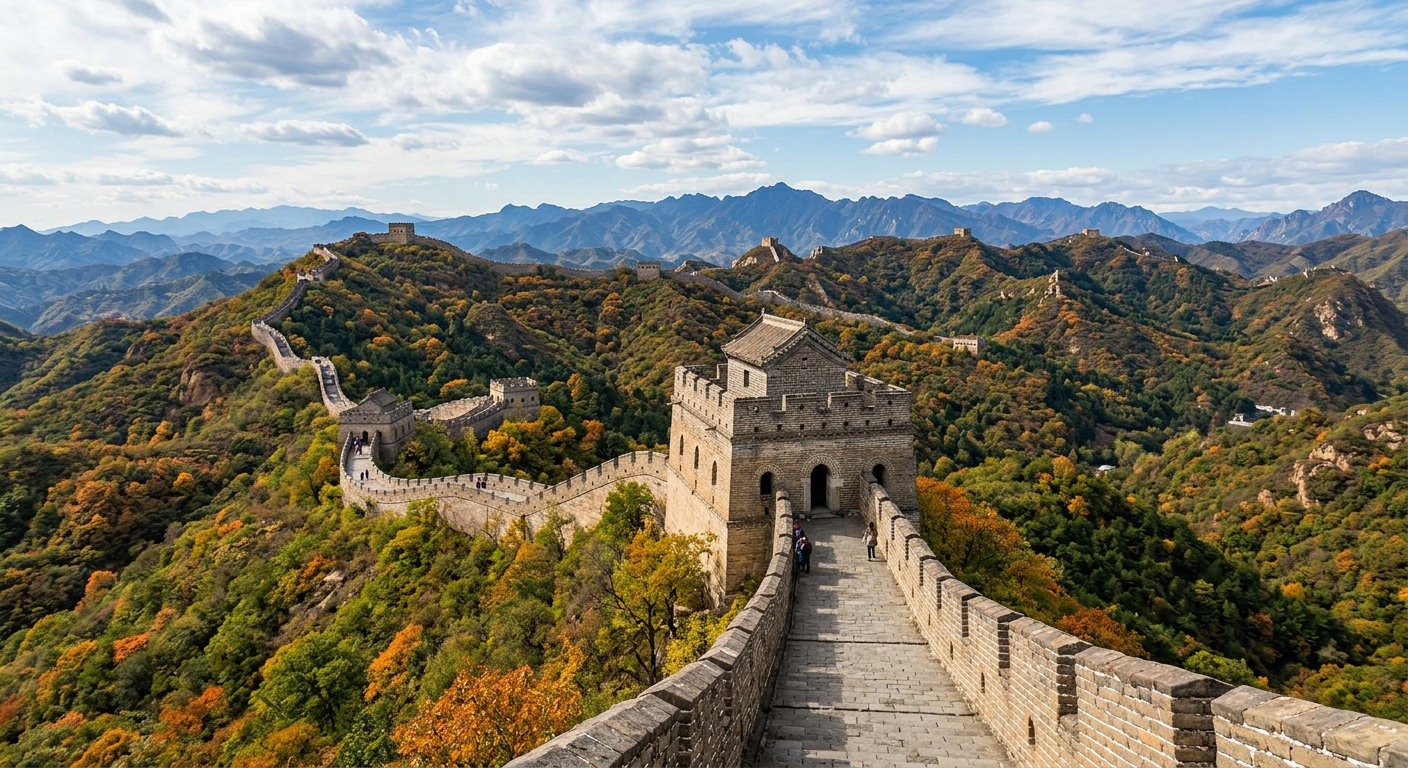
Mutianyu Great Wall
Beijing, China · Huairou
€22
€16
Best-preserved section of the Great Wall with a fun toboggan.
Best for Half-Day Plans
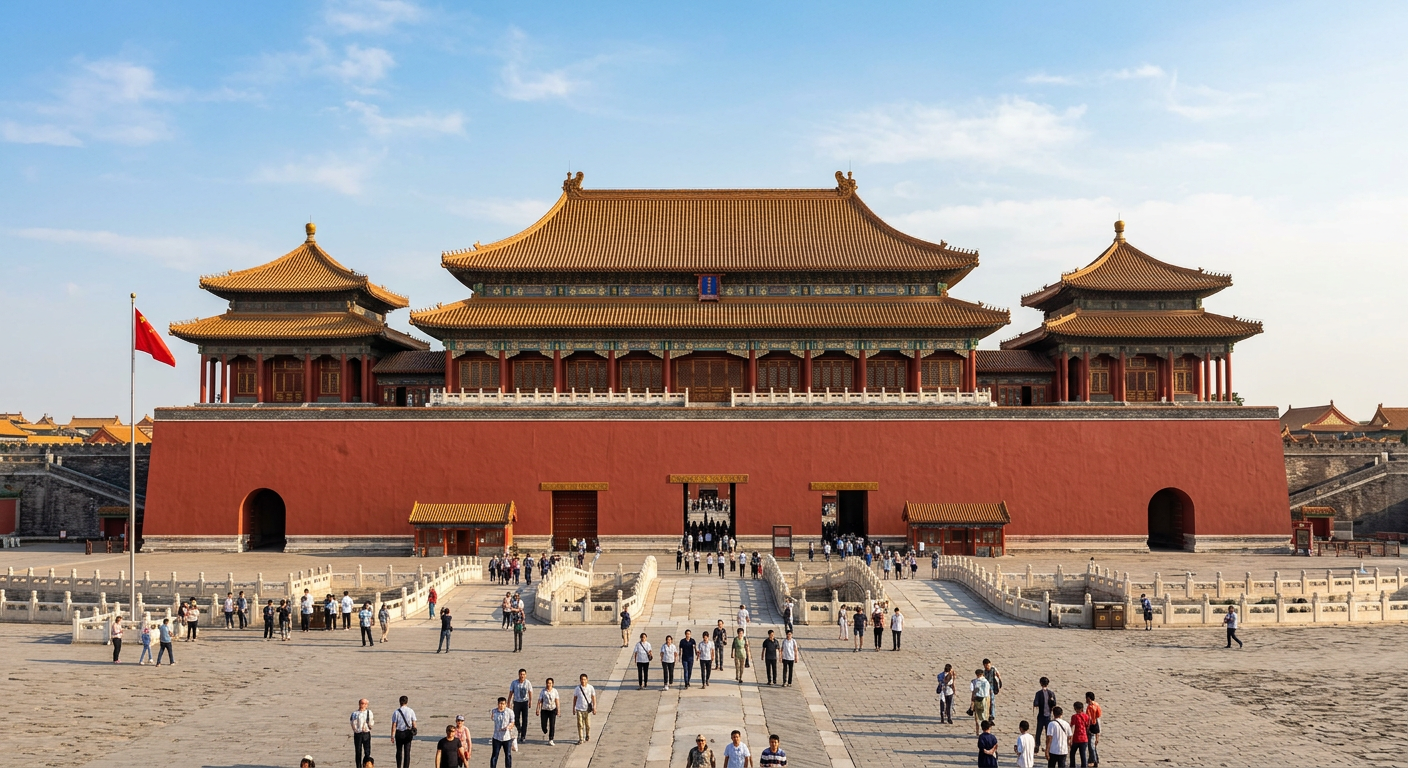
The Forbidden City
Beijing, China · Dongcheng
€15
€11
Step into 500 years of history at the Forbidden City.
Best for Culture Lovers
Frequently Asked Questions
Q. What is Beijing best known for?
Beijing is best known for the Forbidden City, Tiananmen area, the Temple of Heaven, Summer Palace, and its role as a gateway to several sections of the Great Wall.
Q. How many days do you need in Beijing?
A strong first trip takes 3 to 4 days: two days for the imperial core and city landmarks, one day for the Great Wall, and an extra day for hutongs, food, or museums.
Q. Do I need to pre-book major Beijing attractions?
Yes. Timed entry and passport-linked booking are common for major attractions, especially the Forbidden City and popular Great Wall sections. Pre-booking is strongly recommended.
Q. What is the best season to visit Beijing?
Spring and autumn are usually the most comfortable. Summer can be hot and crowded, while winter is colder but often quieter and visually striking.